Categories
Blog Digital PR

AI SEO & LLM Optimization: How Brands Get Visibility in Google AI Overviews, ChatGPT & Gemini

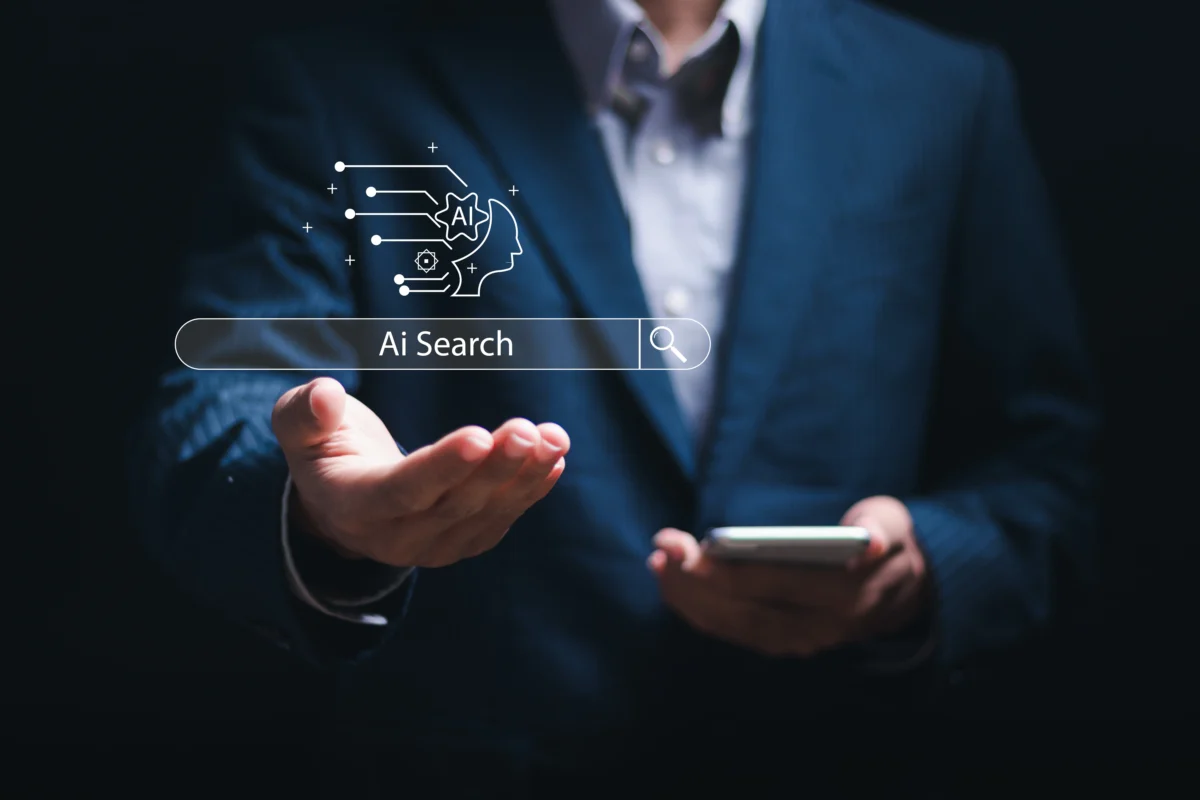
Search is no longer just about rankings. It is about recognition inside AI-generated answers.

With platforms like Google introducing AI Overviews and conversational engines like ChatGPT and Gemini reshaping how users discover information, brands must adapt to a new discipline: AI SEO & LLM Optimization.

This pillar explains how brands can build visibility in the age of Large Language Models (LLMs) and why traditional SEO alone is no longer enough.

Search in the Age of LLMs

AI-powered search engines do not simply rank web pages. They:

  • Interpret entities

  • Analyze contextual authority

  • Summarize trusted sources

  • Generate direct answers

This shift has introduced Generative Search Optimization (GEO) — the process of optimizing content so it appears within AI-generated search results rather than only in traditional blue links.

Understanding this transformation is foundational before diving deeper into strategy.

What Is AI SEO?

AI SEO refers to optimizing your digital presence for AI-powered search environments. It combines:

  • Entity-based SEO

  • Conversational search optimization

  • AI content indexing

  • Zero-click search visibility strategy

  • Authority signal strengthening

Unlike traditional keyword-driven optimization, AI SEO focuses on making your brand structurally understandable and trustworthy to language models.

This includes preparing your website and content ecosystem for Google AI Overviews optimization and LLM citation visibility.

AI SEO vs Traditional SEO: The Structural Difference

Traditional SEO emphasizes:

  • Keyword targeting

  • Backlinks

  • On-page optimization

  • Technical performance

AI SEO expands this framework by prioritizing:

  • Brand entity recognition

  • Semantic topic clusters

  • Structured authority signals

  • AI-generated search results visibility

  • Conversational query alignment

In short, SEO for AI search is an evolution—not a replacement—of traditional optimization.

Brands that ignore this shift risk losing visibility in zero-click environments.

Entity-Based SEO: The Foundation of LLM Optimization

Large Language Models rely heavily on entity clarity.

If search engines cannot clearly identify:

  • Who you are

  • What you specialize in

  • Your industry relevance

  • Your authority footprint

then your brand is unlikely to appear in AI summaries.

Entity-based SEO strengthens:

  • Knowledge graph associations

  • Structured data signals

  • Brand consistency across the web

  • Author credibility

This is why entity optimization sits at the core of all LLM optimization services.

AI SEO Strategies for B2B, SaaS & Enterprise Brands

For B2B, SaaS, and enterprise organizations, AI visibility directly impacts:

  • Sales cycles

  • Investor perception

  • Enterprise trust

  • Competitive positioning

Effective AI SEO strategies include:

  • Building topical authority clusters

  • Publishing research-backed content

  • Strengthening E-E-A-T signals

  • Securing high-authority brand mentions

  • Optimizing for Google AI Overview SEO

For enterprise brands especially, AI search optimization becomes a long-term visibility investment rather than a short-term ranking tactic.

Common AI SEO Mistakes That Hurt Brand Visibility

Many brands approach AI SEO incorrectly. Common mistakes include:

  • Treating it as keyword stuffing for AI

  • Ignoring entity structure

  • Publishing thin AI-generated content

  • Overlooking conversational query intent

  • Failing to monitor AI Overview presence

AI ranking optimization requires structural authority—not automation shortcuts.

Best AI SEO Tools to Track LLM & AI Overview Visibility

Measuring AI visibility is becoming a critical performance indicator.

Modern AI SEO tools help track:

  • Appearance in AI-generated search results

  • Zero-click impressions

  • Brand mention frequency

  • Conversational citation trends

  • Entity footprint expansion

Monitoring these signals ensures your AI visibility strategy remains proactive rather than reactive.

When Should Brands Invest in AI SEO & LLM Optimization?

Brands should consider investing when:

  • AI Overviews dominate their target keywords

  • Zero-click impressions increase

  • Organic traffic plateaus

  • Entering competitive global markets

  • Targeting enterprise or B2B segments

Early adoption offers compounding advantage because AI systems reward consistent authority signals over time.

AI Search Marketing in Local & Global Markets

Demand for AI SEO services in Pune and across India is increasing as businesses recognize the impact of generative search optimization.

Working with an experienced LLM optimization company in Pune helps brands implement:

  • Google AI Overview optimization service strategies

  • AI visibility audits

  • Entity reinforcement frameworks

  • Conversational search optimization systems

For B2B companies especially, partnering with the best AI SEO agency in Pune for B2B ensures alignment between authority-building and revenue outcomes.

Final Perspective

AI SEO & LLM Optimization are no longer experimental strategies — they are the future of digital visibility. As Google AI Overviews, ChatGPT, and Gemini reshape how users discover information, brands must move beyond traditional rankings and focus on entity authority, conversational relevance, and structured digital trust.

Businesses that invest early in AI search optimization will not just rank — they will be cited, referenced, and trusted in AI-generated search results.


At Pinaka Digital Technologies, the focus is on building scalable AI visibility strategies that help B2B, SaaS, and enterprise brands in Pune, across India, and globally stay ahead in the evolving search landscape.

FAQs

What is AI SEO?
AI SEO is the process of optimizing content and brand authority to appear in AI-powered search results like Google AI Overviews, ChatGPT, and Gemini.

How is AI SEO different from traditional SEO?
Traditional SEO focuses on keyword rankings, while AI SEO prioritizes entity recognition, contextual authority, and visibility in AI-generated answers.

How can brands appear in Google AI Overviews?
Brands must strengthen entity-based SEO, build authoritative backlinks, optimize structured content, and align with conversational search intent.

Who should invest in AI SEO services?
B2B, SaaS, and enterprise brands—especially in competitive markets like Pune, India, and global regions—benefit most from AI SEO & LLM optimization.

How long does AI SEO take to show results?
AI SEO is a long-term strategy, typically showing measurable visibility improvements within 3–6 months.

Why choose Pinaka Digital Technologies for AI SEO & LLM optimization?
Pinaka Digital Technologies combines AI SEO, entity-based optimization, and Google AI Overview strategies to help B2B, SaaS, and enterprise brands improve visibility in AI-generated search results across Pune, India, and global markets.

Categories
Blog Digital PR

Digital PR in 2026: Why It’s No Longer About Press Releases, But Search Authority

What Is Digital PR?

Digital PR is a strategy that increases a brand’s online authority through earned media coverage, high-quality backlinks, and authoritative digital mentions. Unlike traditional PR, it is designed to improve search visibility, AI discoverability, and brand credibility across search engines and online publications. Digital PR connects reputation management with SEO performance to enhance long-term organic growth.

Digital PR today is not about “sending press releases.” It is about controlling how your brand appears across search engines, AI systems, media publications, and industry ecosystems.

Digital PR is no longer optional — it directly impacts:

  • Organic visibility 
  • AI-generated search results 
  • Brand trust signals 
  • High-authority backlinks 
  • Conversion-driven reputation 

This article explains how modern Digital PR actually works, why traditional PR models are outdated, and how it connects directly with SEO, AI search, and brand positioning.

Digital PR vs Traditional PR: The Structural Shift

Traditional PR focused on:

  • Print media coverage 
  • TV exposure 
  • Brand awareness metrics 

Modern Digital PR integrates:

  • Technical SEO 
  • Entity recognition 
  • Link authority 
  • AI search visibility 
  • Brand mention tracking 

Platforms like Google, ChatGPT, and Gemini now surface brand information based on:

  • Structured mentions 
  • Authoritative backlinks 
  • Contextual relevance 
  • Digital footprint consistency 

This means Digital PR directly influences how your brand appears in:

  • Google AI Overviews 
  • Knowledge panels 
  • Featured snippets 
  • AI-generated responses 

The 5 Core Components of Modern Digital PR

1. Authority Building Through High-Trust Publications

Not random backlinks — but strategic placements in:

  • Industry media 
  • Business publications 
  • Founder interviews 
  • Thought leadership columns 

This builds both domain authority and entity credibility.

2. Entity Optimization for AI & Search

Search engines now evaluate:

  • Brand consistency 
  • Executive mentions 
  • Industry associations 
  • Structured citations 

This is why Digital PR overlaps with entity-based SEO.

3. Reputation & Narrative Control

Online PR ensures that when someone searches your brand:

  • The right story appears 
  • Negative content is minimized 
  • Brand positioning remains aligned 

This is critical for:

  • B2B brands 
  • SaaS companies 
  • Real estate brands 
  • Global expansion companies 

4. Strategic Link Acquisition

Modern digital PR earns links through:

  • Data studies 
  • Industry reports 
  • Expert commentary 
  • Newsworthy announcements 

This drives both SEO rankings and referral traffic.

5. AI-Driven Brand Visibility

Today, brands are increasingly discovered through:

  • AI summaries 
  • Conversational search 
  • Zero-click search experiences 

If your brand is not cited in authoritative digital ecosystems, AI models won’t reference it.

Digital PR solves this gap.

Why Digital PR Matters Brands

For businesses in India expanding internationally:

  • It builds global credibility 
  • Improves investor trust 
  • Strengthens inbound lead quality 
  • It enhances SERP dominance 
  • Improves organic conversion 
  • Supports omnichannel marketing 
  • It increases international brand validation 
  • Establishes cross-border authority

Common Misconceptions About Digital PR

 “It’s just about press releases.”
“It’s only for big enterprises.”
“It doesn’t impact SEO.”

In reality:

Digital PR influences:

  • Search rankings 
  • AI visibility 
  • Brand sentiment 
  • Conversion rates 
  • Long-term authority 

Final Takeaway

Digital PR in 2026 is no longer about publicity — it is about search-driven authority engineering.

Brands that integrate:

  • SEO 
  • AI visibility 
  • Entity optimization 
  • Strategic media positioning 

will dominate not just rankings, but conversations.

If your goal is global visibility, Digital PR becomes a structural growth layer — not a marketing add-on. To get more details don’t forget to explore Pinaka digital technologies

FAQs

What industries benefit most from Digital PR?

B2B, SaaS, real estate, fintech, healthcare, and global service brands see the highest ROI.

Is Digital PR the same as SEO?

No. But Digital PR supports SEO by building high-authority backlinks, improving brand mentions, and strengthening entity signals.

How long does Digital PR take to show results?

Typically 3–6 months for measurable SEO impact, but authority growth compounds over time.

Can small businesses invest in Digital PR?

Yes. Scalable strategies exist for startups, B2B brands, SaaS, and real estate companies.

Does Digital PR improve AI search visibility?

Yes. AI systems rely heavily on trusted digital sources and structured brand mentions.

Categories
Blog Digital PR

Digital PR & Online Branding: How to Build Authority, Trust & Visibility for Global Brands

In today’s AI-driven search landscape, visibility alone is not enough. Brands must earn authority, trust, and consistent online presence to stay competitive. This is where Digital PR & Online Branding becomes a critical growth lever.

Modern brands no longer rely only on paid ads or social media reach. Instead, they work with a PR marketing agency or online PR agency to build long-term credibility that influences search rankings, AI-generated answers, and buyer trust.

What Is Digital PR & Online Branding?

At its core, Digital PR is the strategic practice of building brand authority through online media coverage, brand mentions, backlinks, and thought leadership content.

If you’re new to the concept, understanding what digital PR is and how it works for modern brands is the first step toward building sustainable visibility.

Online branding supports Digital PR by shaping how your business appears across:

  • Google search results 
  • AI platforms like ChatGPT and Gemini 
  • Media publications 
  • Industry platforms and review ecosystems 

Unlike traditional PR, online PR is measurable, SEO-aligned, and scalable globally.

Why Digital PR Is Essential for Global Brand Growth

Search engines and AI models prioritize brands they trust. Digital PR helps establish that trust by sending consistent authority signals across the web.

Brands that invest in professional digital PR services benefit from:

  • Stronger EEAT (Experience, Expertise, Authority, Trust) 
  • Improved organic rankings 
  • Increased brand mentions across high-authority platforms 
  • Higher credibility in competitive industries like B2B and real estate 

This is why many growth-focused businesses partner with a marketing and PR agency instead of running disconnected campaigns.

Digital PR for Indian Brands Expanding Internationally

For Indian companies scaling beyond local markets, Digital PR plays a crucial role in building international credibility.

Many businesses struggle when entering new regions due to low brand trust. A focused strategy around digital PR for Indian brands expanding internationally helps bridge that gap by earning visibility in global media and search ecosystems.

This approach is especially effective for:

  • B2B companies targeting the USA 
  • Tech startups entering Dubai markets 
  • Service brands moving beyond India-centric visibility 

Digital PR vs Traditional PR: What’s Changed?

Traditional PR focused heavily on print media and brand awareness. Digital PR focuses on authority, visibility, and performance.

Today, leading B2B PR agencies and online PR agencies integrate PR with SEO, analytics, and content marketing—ensuring measurable impact on traffic and conversions.

Tools That Power Modern Digital PR Campaigns

Successful Digital PR campaigns rely on data and technology, not guesswork.

From tracking brand mentions to identifying media opportunities, modern teams use specialized platforms. Choosing the best digital PR tools for brand mentions, links, and visibility ensures campaigns are aligned with SEO and authority-building goals.

These tools help brands:

  • Monitor reputation 
  • Measure authority growth 
  • Identify high-impact media placements 

Common Digital PR Mistakes That Damage Brand Trust

Despite good intentions, many brands weaken their authority by making avoidable mistakes.

Some of the most damaging issues include:

  • Publishing PR content without SEO alignment 
  • Chasing low-quality links or mentions 
  • Inconsistent brand messaging across regions 
  • Ignoring long-term authority building 

Understanding the common digital PR mistakes that damage brand trust can help brands avoid setbacks and protect their reputation.

Data-Driven Digital PR: The Framework That Scales

High-performing brands no longer treat PR as a creative-only function. Instead, they follow a data-driven digital PR campaign framework that connects visibility with measurable outcomes.

This structured approach allows brands to:

  • Align PR with SEO and performance marketing 
  • Track impact on rankings and traffic 
  • Scale campaigns across multiple countries 

This is especially important for brands competing in high-trust industries like SaaS, finance, and real estate.

How Digital PR Impacts Organic Traffic & Conversions

Digital PR directly influences how search engines and AI platforms evaluate your brand.

By earning authoritative mentions and links, brands see:

  • Increased referral traffic 
  • Improved conversion rates from trust-led channels 

Understanding the impact of digital PR on organic traffic and conversions helps businesses justify PR as a long-term growth investment—not just a branding expense.

Digital PR for High-Trust Industries Like Real Estate & B2B

Industries such as real estate, B2B services, and enterprise solutions require a higher level of credibility. This is why many companies partner with a specialized PR agency in Pune to manage perception and authority.

Digital PR in these sectors focuses on:

  • Reputation management 
  • Thought leadership 
  • Trust-building across digital channels 

When Should Brands Invest in Digital PR?

Timing matters. Brands should consider Digital PR when:

  • Organic growth has plateaued 
  • They are entering new markets (USA, Dubai, Europe) 
  • Paid ads are becoming too expensive 
  • AI platforms fail to surface their brand 

Knowing when brands should invest in digital PR helps businesses maximize long-term returns and avoid reactive spending.

Final Thoughts

Digital PR & Online Branding helps brands build trust, authority, and long-term visibility across search engines and AI platforms. For businesses partnering with an experienced team like Pinaka Digital Technologies ensures Digital PR is aligned with SEO, content, and measurable growth—turning visibility into lasting brand authority.


Frequently Asked Questions (FAQs)

What is online PR?
Online PR focuses on building brand authority through digital platforms, media mentions, and SEO-driven visibility.

Does Digital PR help SEO?
Yes. Digital PR improves backlinks, brand signals, and trust—key ranking factors for Google and AI systems.

Is Digital PR suitable for small businesses?
Absolutely. It helps smaller brands compete by building credibility instead of relying only on ads.

How is Digital PR different from link building services?

Digital PR focuses on building brand authority, trust, and visibility through editorial mentions, media coverage, and thought leadership, while link building primarily targets backlinks for SEO. 

Can Digital PR support local visibility while targeting global markets?

Yes. A well-planned Digital PR strategy can strengthen local credibility while simultaneously building authority in global markets like the USA and Dubai

How do AI platforms like ChatGPT and Google AI Overviews use Digital PR signals?

AI platforms rely on brand mentions, authoritative sources, consistent narratives, and trusted publications to surface recommendations.